On December 10, 2025, UNESCO officially recognized
Italian cuisine as Intangible Cultural Heritage of Humanity,
making Italy the first nation to have its entire national culinary tradition protected as intangible cultural heritage.
This milestone represents global acknowledgment of a way of life, a philosophy of community, and a deep respect for food that
defines Italian culture itself.
What UNESCO's Recognition Means
UNESCO's recognition encompasses the entire ecosystem of Italian cooking, from ingredient selection to the ritualistic gathering
around the table, from family recipe transmission to embedded sustainability principles.
The official definition captures this essence:
"A cultural and social blend of culinary traditions, a way of nurturing oneself and others, expressing affection, and reconnecting with cultural heritage."
If you’d like to taste this philosophy in practice in Prague, visit
Papaiolo, our Italian restaurant in Prague.
What distinguishes Italian cuisine is its profound connection to community and commitment to sustainability.
Italian cooking emerged from centuries of agricultural wisdom and the principle of cucina povera—the cuisine of scarcity that transformed humble ingredients into celebrated dishes.
The UNESCO submission highlighted how Italian cooking emphasizes “anti-waste recipes” and artisanal techniques passed down through generations,
strengthening family bonds and ensuring culinary traditions remain living practices rather than museum pieces.
Regional Diversity: A Cuisine of Territories
Italy's UNESCO recognition celebrates regional diversity.
Northern Alpine cuisine emphasizes hearty dishes like risotto and polenta.
Central Italy focuses on simplicity and careful ingredient selection: Tuscan bread, extra virgin olive oil, and seasonal vegetables.
Southern Italy bursts with Mediterranean flavors:
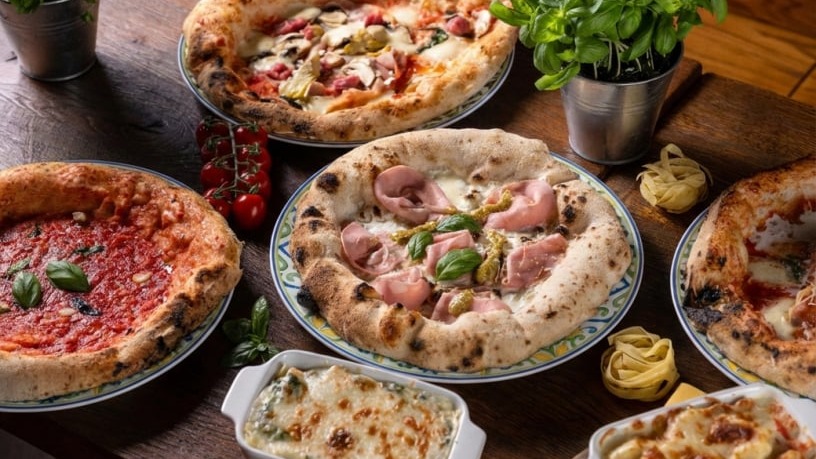
Neapolitan pizza,
Puglian orecchiette, and Sicilian arancini.
Every region tells a story of its geography, history, and people, a narrative of ingredients available, seasons survived, and the ingenuity of communities that refused to waste.
How Papaiolo Honors This Heritage
At Papaiolo in Prague, we understand that UNESCO's recognition is not simply a collection of dishes to be replicated, but a philosophy to be lived.
Our commitment to authentic Neapolitan pizza reflects this principle.
In our wood-fired oven, heated to over 450 °C, we practice the same respect for craft that defines UNESCO's recognition.
Our selection of ingredients – quality fresh mozzarella, San Marzano tomatoes, fresh basil – mirrors the Italian commitment to sourcing that honors the producer and respects the ingredient.
When we prepare
authentic Italian pasta according to traditional recipes,
we honor intergenerational transmission of knowledge.
Our Italian wines, beer, liqueurs, and coffee specialties are part of the complete culinary experience that transforms dining into a moment of connection and community.
Most importantly, we embrace the anti-waste philosophy and understand that Italian cooking is a communal activity.
When families and friends gather at Papaiolo, we hope they experience what UNESCO celebrated:
a way of expressing affection, reconnecting with cultural heritage, and sharing genuine moments of connection around the table.
The Global Significance
In an era of global food homogenization and mass-produced “Italian-sounding” products, UNESCO's decision serves as a powerful statement:
authentic Italian cuisine matters and deserves protection, celebration, and preservation.
For restaurants and food professionals worldwide, this recognition is both inspiration and responsibility:
a call to engage seriously with Italian culinary traditions with authenticity and respect.
If you want to dive deeper into the roots of our philosophy, explore our story in
our welcome article.
Conclusion
UNESCO's recognition acknowledges something profoundly alive – a tradition that evolves, adapts, and continues to be shaped by generations of Italians who cook, share, and remember through food.
Italian culinary tradition is not static but dynamically alive.
At Papaiolo, we are honored to be part of this legacy.
Every pizza we bake, every pasta we prepare, every meal we serve keeps this precious heritage alive.
Buon appetito. 🍕
Further reading on the UNESCO recognition of Italian cuisine:
The Guardian (2025) – “Italy first country to win UNESCO recognition for national cuisine”
Great Italian Food Trade (2025) – “Italian Cuisine Recognized by UNESCO”